
Why Structural Integrity Demands a New Roof Over Your Canandaigua Home?
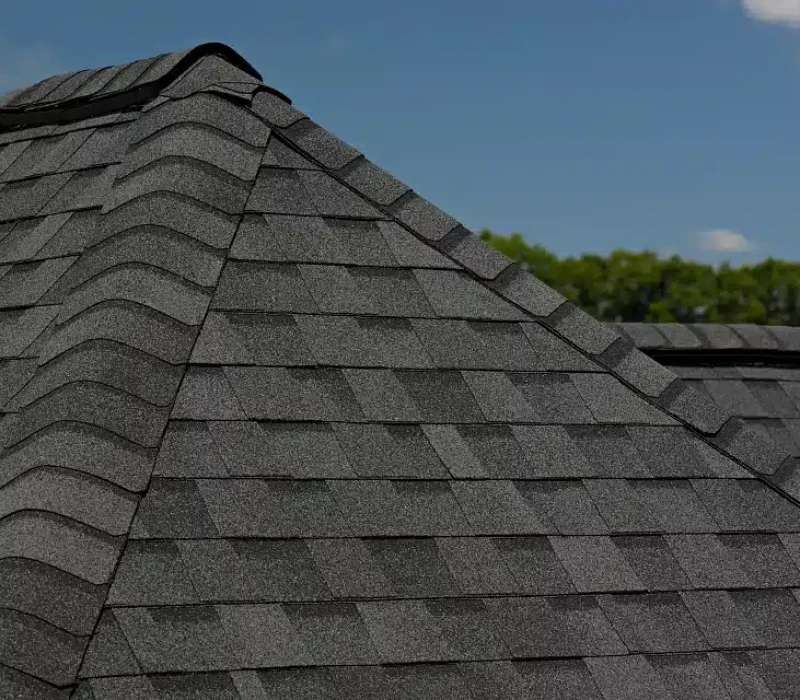
Every winter, Ontario County dumps heavy lake-effect snow right onto your shingles, testing the structural limits of your rafters. When your roof decking starts to sag under that moisture, your entire home’s skeleton is at risk. Many local property owners ask us, How does roof replacement protect a home’s structure in Canandaigua, NY? The hard truth is that it stops wood rot from migrating down into your load-bearing walls.
Key Structural Takeaways
- Halts timber rot by replacing water-logged plywood decking with fresh, code-compliant exterior strand board.
- Deflects heavy ice dams through thick, self-adhering waterproof underlayment membranes along eave lines.
- Preserves foundation stability by routing large volumes of rainfall directly away from your basement walls.
- Controls attic humidity using continuous ridge ventilation systems that stop wood-destroying condensation cycles.
Why should you worry about an aging roof on your Canandaigua home?
An aging roof allows hidden water leaks to rot your rafters and buckle your structural ceilings silently. When Canandaigua’s intense winter snow loads pile onto weakened wood, you risk a catastrophic structural sag or complete ceiling collapse. Replacing old shingles protects your structural framing from the costly, systemic water damage.
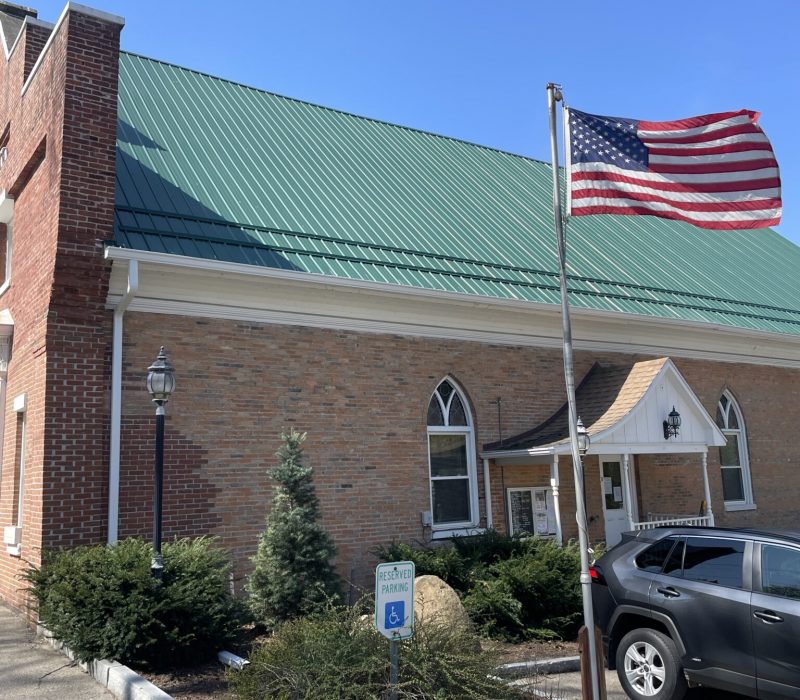
How Does Roof Replacement Protect a Home’s Structure in Canandaigua, NY?
A complete roof overhaul stabilizes your home by replacing rotted decking, reinforcing structural rafters, and sealing out moisture. By installing modern underlayments and ice barriers, a new roof prevents severe wood rot that compromises structural framing. This structural shield ensures your home withstands heavy Upstate New York snow loads without bowing or collapsing.
What Happens to Your House When the Roof Deck Fails?
When your roof deck rots, it loses its ability to hold fasteners securely, which can cause shingles to blow off during high winds. When analyzing how roof replacement protects a home’s structure in Canandaigua, NY, our team focuses on installing a solid, unyielding layer of new plywood that ties your entire framing system together securely against severe weather.
The Structural Protection Framework
Complete Strip-Down and Framing Inspection
- Tear away all existing asphalt shingle layers to expose the underlying raw wood deck.
- Examine rafters and trusses for deep dry rot, mold colonies, or structural sagging caused by historical leaks.
Decking Stabilization and Reinforcement
- Cut out and discard any soft, delaminated, or rotted plywood sheets immediately.
- Fasten brand-new, code-compliant decking panels using heavy-duty ring-shank nails to lock the structural envelope.
Waterproof Underlayment Application
- Install a thick ice and water shield extending at least three feet past the interior wall lines.
- Roll out synthetic underlayment across the entire roof surface to act as a secondary water-shedding line of defense.
Contextual Protection Clusters
Lake-Effect Risk Mitigation
- Heavy snow loads: Canandaigua winters pack heavy, wet snow that puts immense downward pressure on your roof framing.
- Ice dam prevention: Solid ice barriers prevent melting water from backing up under shingles and destroying exterior soffits.
Structural Frame Preservation
- Rafter reinforcement: Eliminating damp conditions keeps structural trusses dry, straight, and capable of holding thousands of pounds.
- Foundation protection: Directing roof runoff far away from the house stops basement walls from cracking or shifting over time.
Long-Term Asset Valuation
- Transferable warranties: Installing high-grade architectural shingles boosts property equity and provides verified coverage for future buyers.
- Insurance compliance: Upgrading an old, brittle roof satisfies underwriting mandates, preventing sudden policy cancellations or rate hikes.
Critical Structural Grounding
- Ice and Water Shield: A self-adhering rubberized asphalt membrane applied to eaves to prevent water infiltration from local freeze-thaw cycles.
- Roof Decking: The structural plywood or oriented strand board sheets nailed directly to rafters that provide the foundation for shingles.
- Ridge Vent: An exhaust ventilation strip installed along the peak of the roof to release hot, humid attic air naturally.
- Drip Edge: Heavy-gauge L-shaped metal flashing installed along roof edges to direct water cleanly into your seamless gutters.
- Truss System: The structural wooden framework supporting the roof load, which must remain completely bone-dry to prevent structural failure.
Lessons From Local Roof Inspections
During our field assessments around Canandaigua Lake, we often find that homeowners think their roof is fine just because it isn’t dripping onto the living room couch yet. The real damage hides underneath. We frequently discover completely rotted eave boards and moldy insulation caused by old, clogged gutters that back up under the shingles. If you ignore a soft spot on your roof, the underlying rafters will slowly bow under winter snow, turning a simple shingle swap into a massive structural framing rebuild.
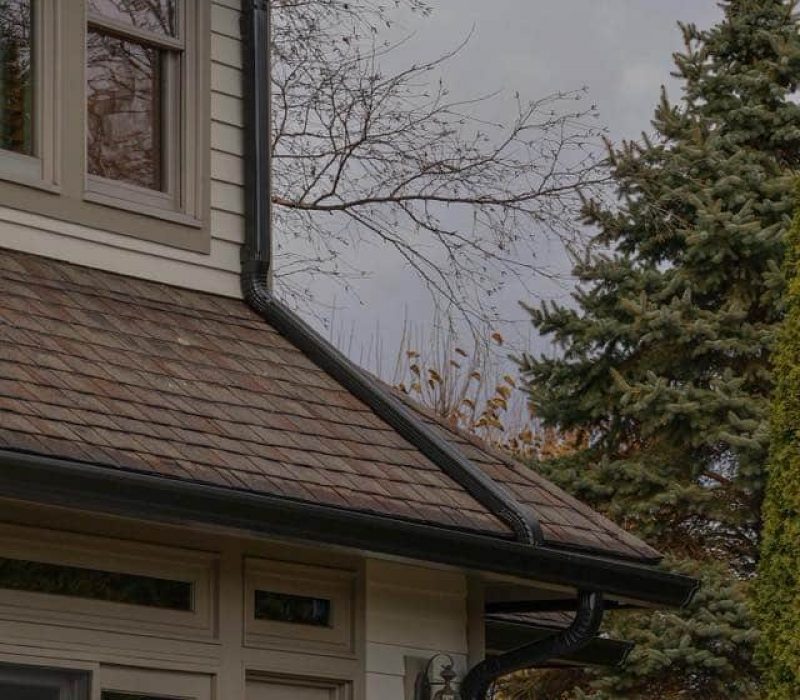
Ready to Secure Your Home’s Foundation?
Upgrading your roof does far more than stop simple leaks; it reinforces the core skeleton of your entire property against harsh New York seasons. Partnering with Oasis Gutters ensures your roof deck, flashing, and gutter systems work together to keep your structural framing dry and sound for decades.
To discover exactly how roof replacement protects a home’s structure in Canandaigua, NY, for your specific property, Call (585) 727-6860 to book your comprehensive structural roof and drainage evaluation today.
Protect Your Home’s Structure Before Small Roof Problems Become Major Repairs
Your roof is more than just a protective covering—it plays a critical role in preserving the structural integrity of your entire home. Even a small leak can allow moisture to seep into the roof decking, rafters, and insulation, creating hidden damage that worsens over time. In Canandaigua, NY, heavy lake-effect snow, ice dams, and seasonal freeze-thaw cycles place additional stress on aging roofing systems. If left unaddressed, these conditions can lead to wood rot, sagging roof lines, and costly structural repairs. At Oasis Gutters, we understand that effective roof protection extends beyond shingles. Properly functioning seamless gutters and drainage systems help move water safely away from your roof, siding, and foundation, reducing the risk of long-term moisture damage. Whether you’re planning a roof replacement or upgrading your drainage system, our experienced team is here to help safeguard your investment. Contact Oasis Gutters today to schedule a professional roof and gutter evaluation and discover how a complete exterior water management system can protect your home for years to come.
How often should a roof be replaced in Upstate New York?
Most asphalt shingle roofs last between 20 and 25 years under normal regional weather conditions. Heavy lake-effect snow and poor attic ventilation can significantly shorten this lifespan, requiring earlier replacement to prevent framing damage.
Will a bad roof damage a house’s foundation?
Yes, a failing roof lets water cascade down siding instead of into gutters, pooling right at your home’s foundation. Over time, this uncontrolled moisture oversaturates the soil, causing foundation walls to crack, shift, or settle unevenly.
What are the signs that the roof decking is rotted?
Key signs of rotted roof decking include a spongy feel when walking on the roof, visible sagging sections between rafters, and interior ceiling water stains. You might also notice shingles pulling away as wood loses its nail-holding power.
Can you install a new roof over old shingles?
While building codes allow a second layer, overlapping shingles hide underlying deck rot and add additional weight to your rafters. Tearing off the old layers is the only way to inspect and repair the structural framing.
How do seamless gutters protect a new roof?
Seamless gutters instantly carry larger volumes of rainwater away from the roof edge, preventing water from backing up under the shingles. This reliable drainage keeps your fascia boards, soffits, and roof decking dry throughout the year.